

Hi Stef! What's your background, and what are you currently working on?
I'm a 33-year-old born and raised in London. I am the co-founder of Stone, a brand developing innovative trade and lifestyle products for the food and drinks industry.
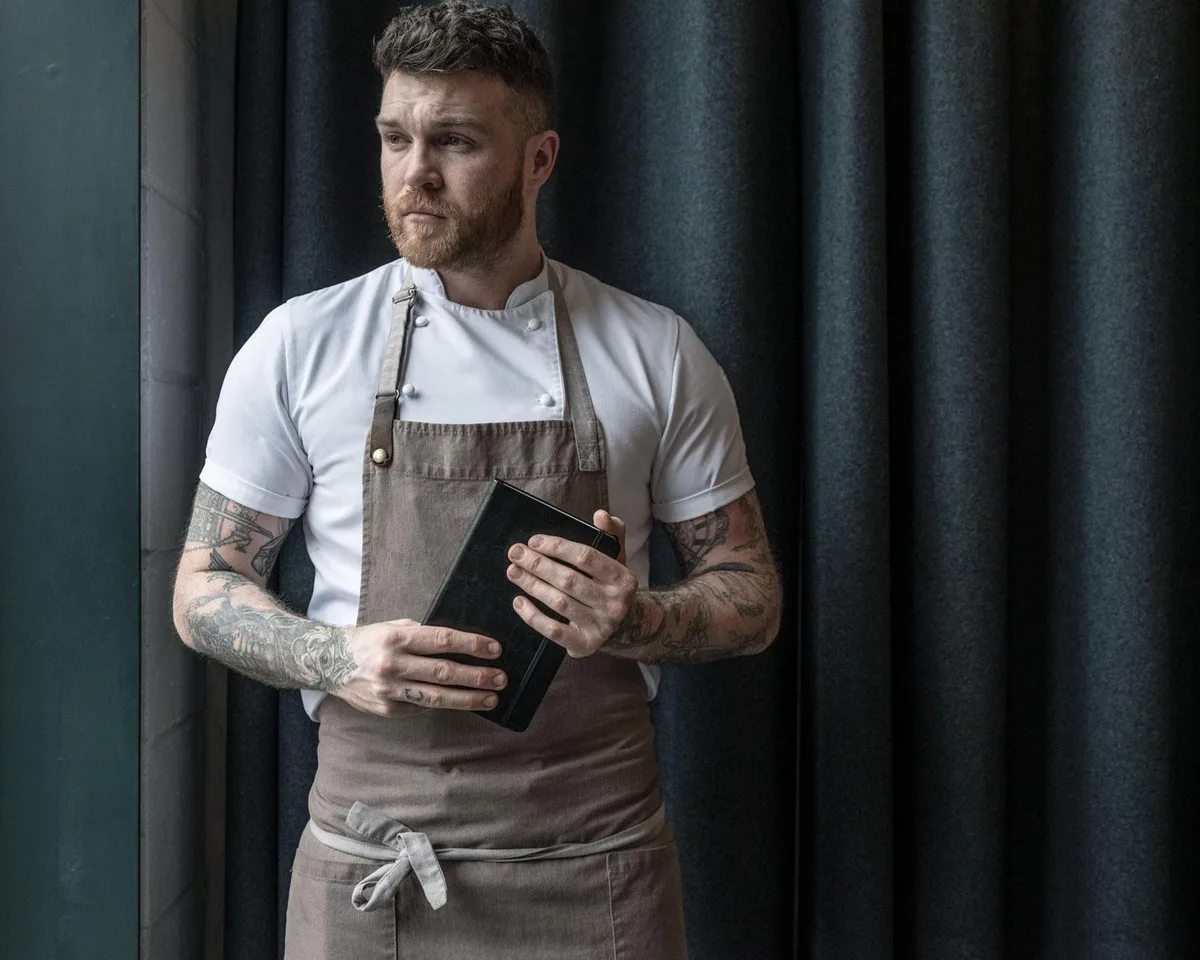
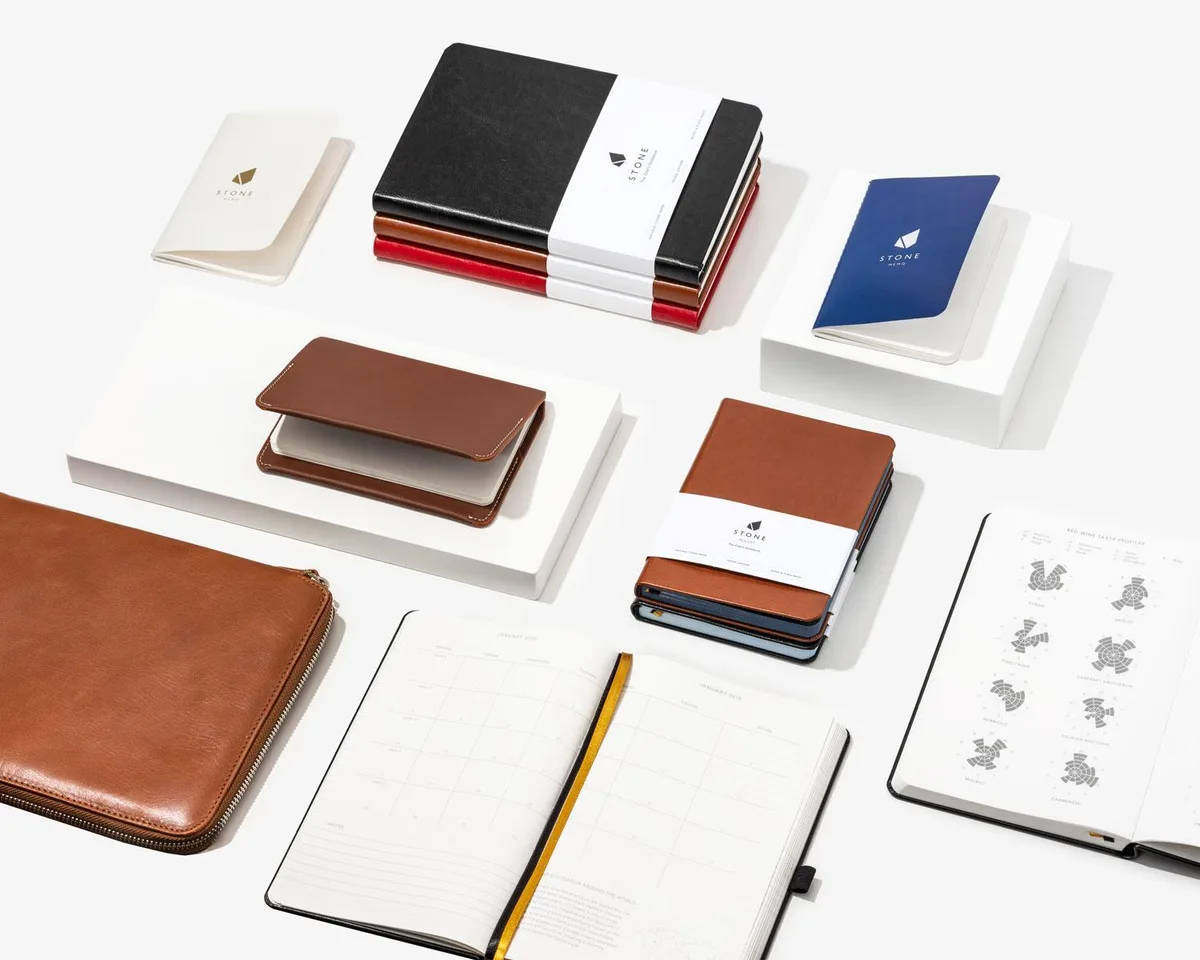
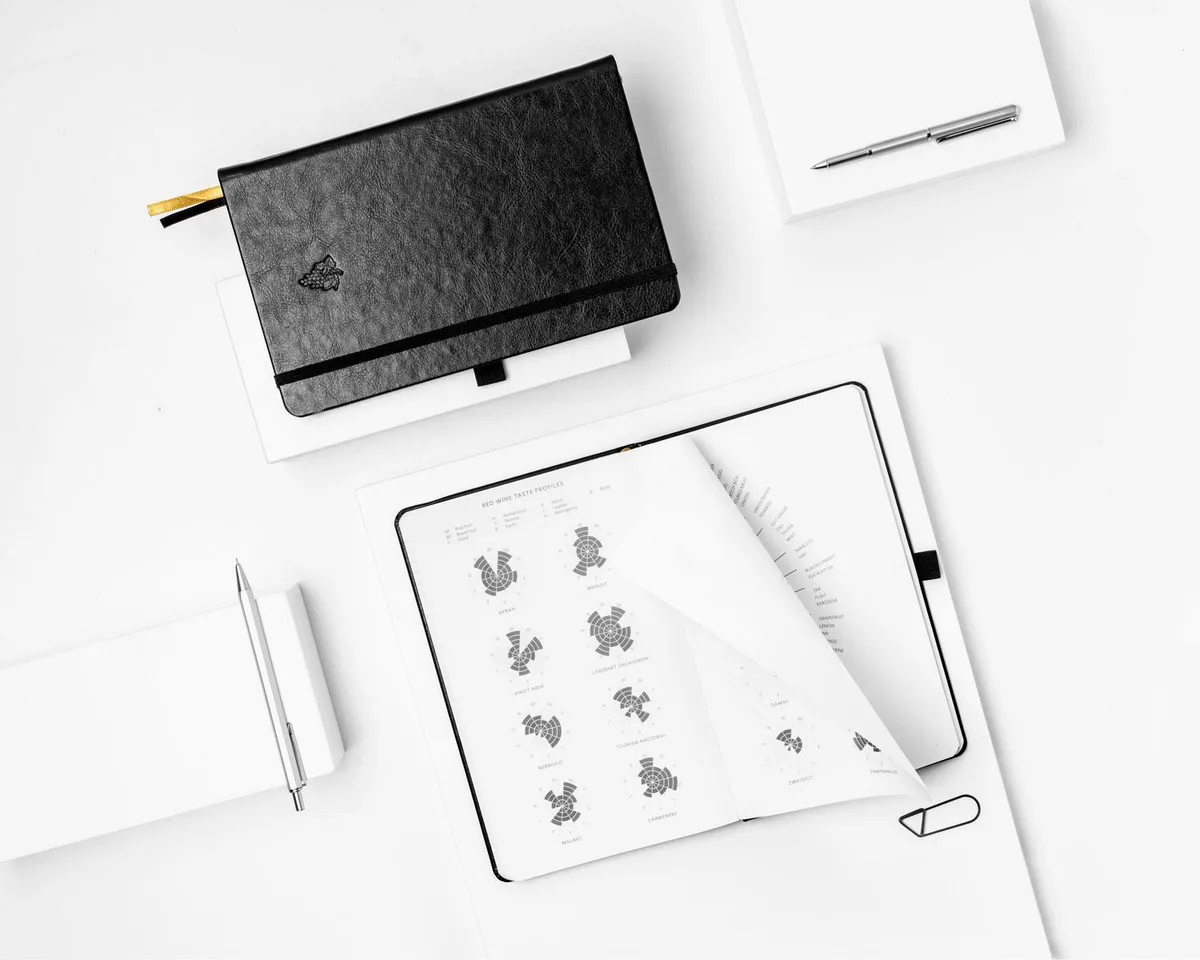
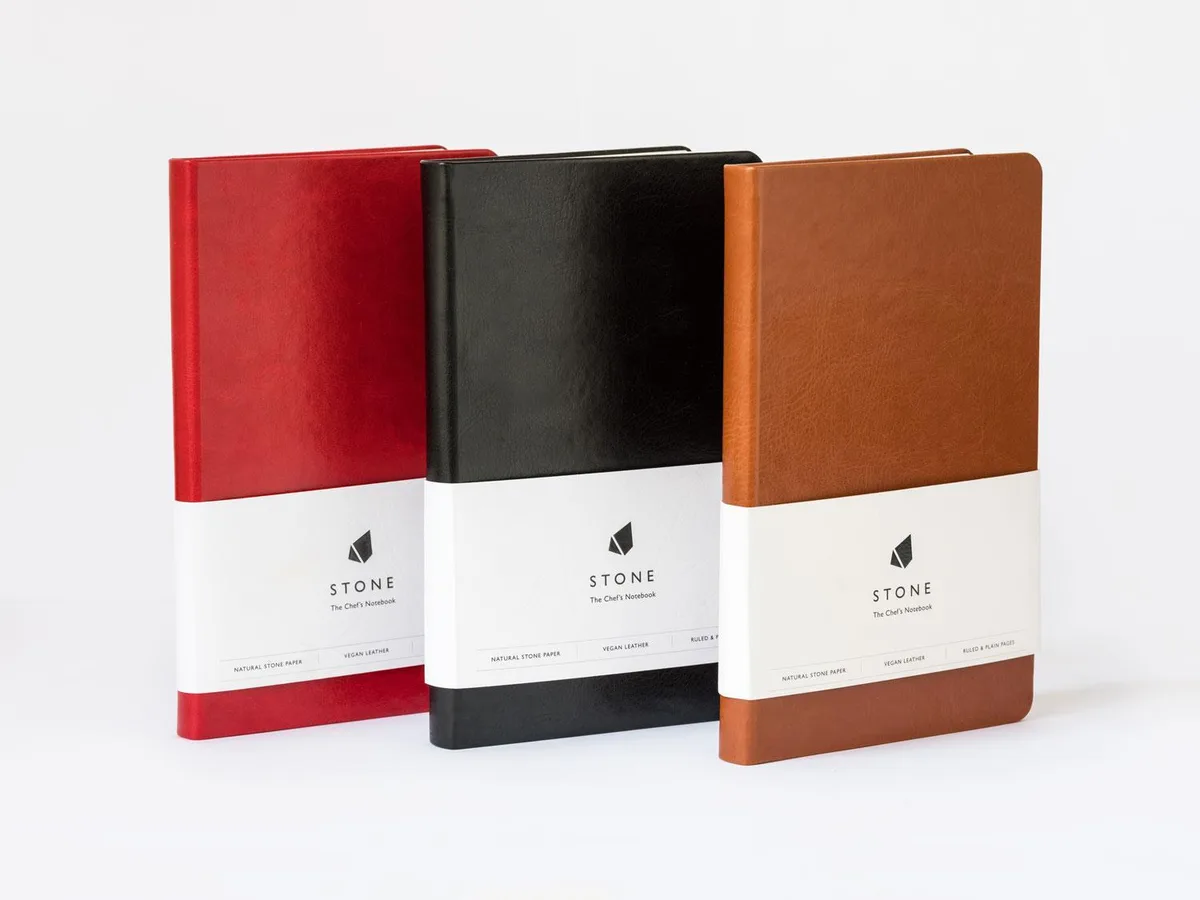
The business began 18 months ago, when we launched our flagship product - the Classic Stone, a notebook designed for chefs. Since then we’ve created a full range of stationery and are about to launch our apparel range as well as an editorial side to the brand.
What's your backstory and how did you come up with the idea?
My family would probably describe me as someone who had entrepreneurial tendencies from a young age. When I was around 9 or 10 I would buy cupcakes from the supermarket and sell them for six times the price to tourists queuing up for Wimbledon tennis… I like to think my business practice is a little more principled now.
Having studied documentary photography at university I found myself with a degree that didn't let me move too far beyond freelance work and soon found myself forming a design agency, which I spent the next five years building. The agencies services naturally evolved and we gained a reputation for UX and digital strategy.
As much as I enjoyed auditing businesses and organizations (the majority of our clients were NGOs and social enterprises), helping them develop their strategy and digital presence, I really wanted to go back to the proverbial cupcake selling. So when one of my clients, a notebook brand called Bookblock offered me to come on board as a partner and Creative Director, my core team and I jumped ship.
Fast forward a few years; I find myself in a Michelin kitchen with chef Michael Caines and a client, Eliot. Michael has one prosthetic arm and I noticed that when he was using his notebook on his metal kitchen surface the notebook was sliding around, and it gives me an idea... I mention to Eliot that Bookblock could create a notebook with a magnet at the back which would make it easier not just for Michael to write in, but all chefs.
After an hour of bouncing ideas off each other, we came up with seven unique features the perfect chefs' notebook could contain. One of those features was stone paper, a material made of limestone that is naturally water and greaseproof.
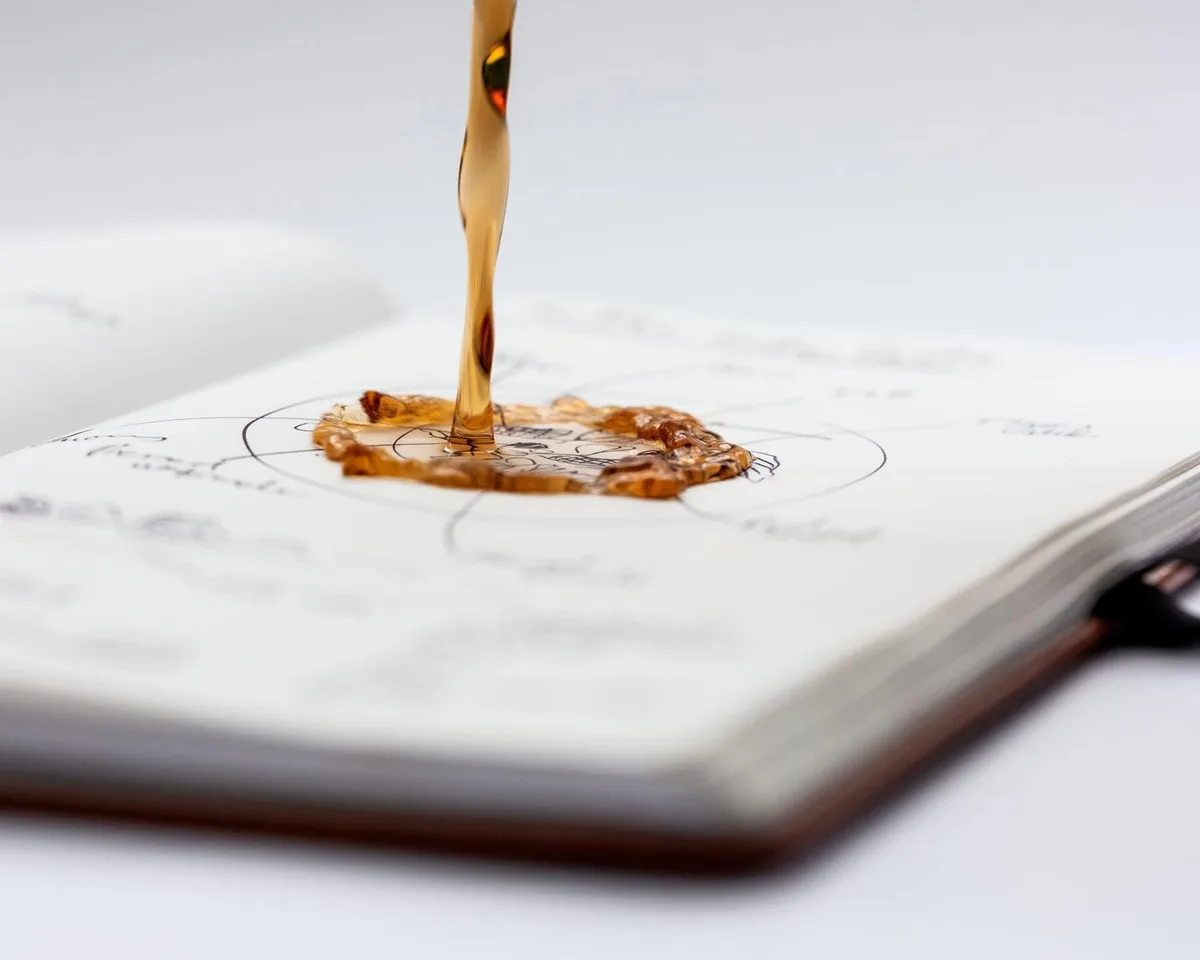
I quickly got some prototypes made up in our workshop and got them out to around 80 respected chefs around the world for feedback. The response was incredible and it was clear early on that the concept had legs.
How did you build Stone?
Stone began as a bit of fun. My background is very mixed, from documentary and food photography to UX and marketing strategy. Stone was a meeting of all these worlds and gave me a chance to put into practice everything I’ve learned.
Having always worked for myself I never really had someone explain to me what to do and what not to do. You start at a big agency and from day one you’re learning from people far more experienced than you, which of course is hugely beneficial. But I can safely say that there is no better way of learning then failing. As long as your analytical about it all. It’s a somewhat cliche term these days but failures are the pillars of success.
From an early stage, we decided that Kickstarter was the right platform to launch the product from. Rather than having to work on operations and logistics from day one I was instead able to focus on my strongest areas. One which is a marketing strategy.
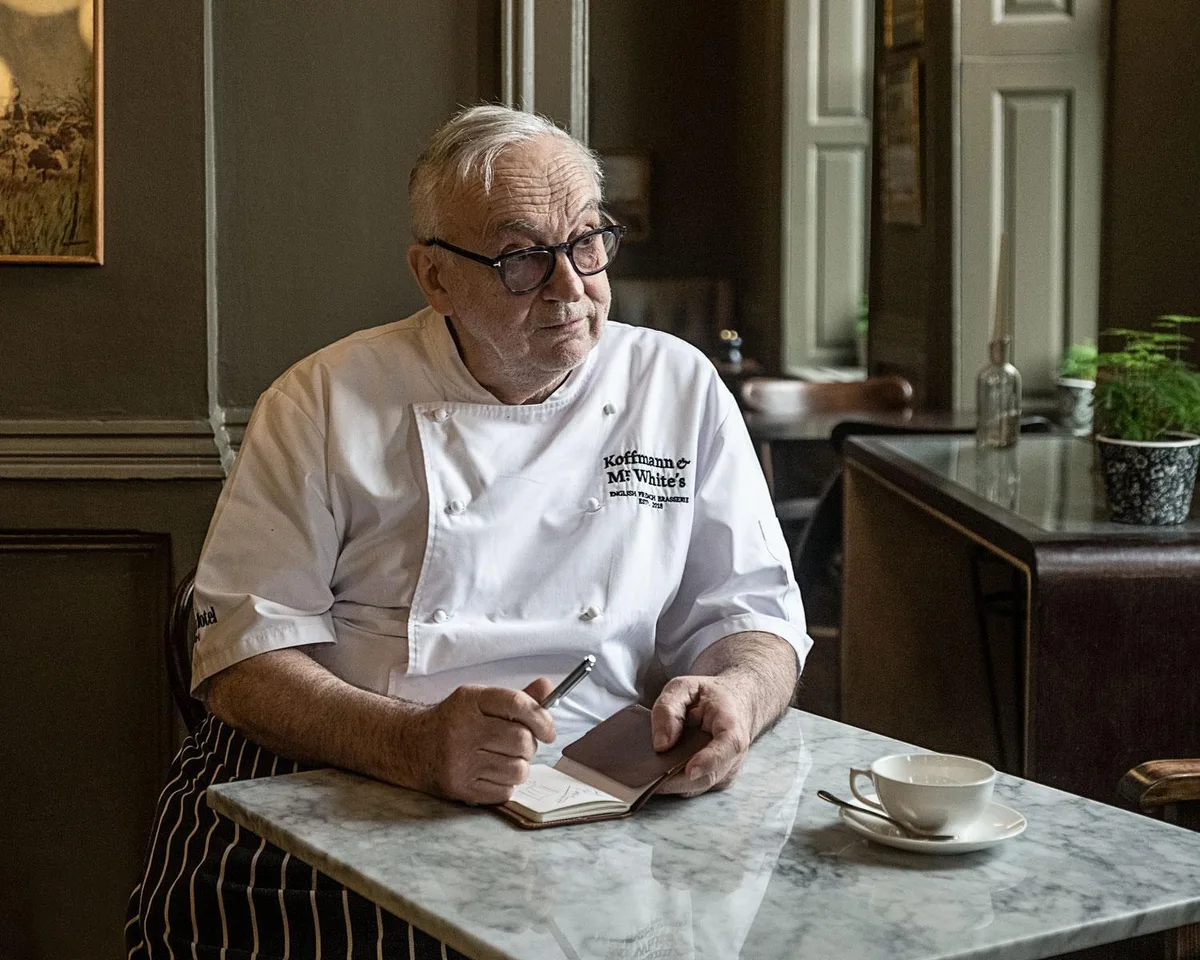
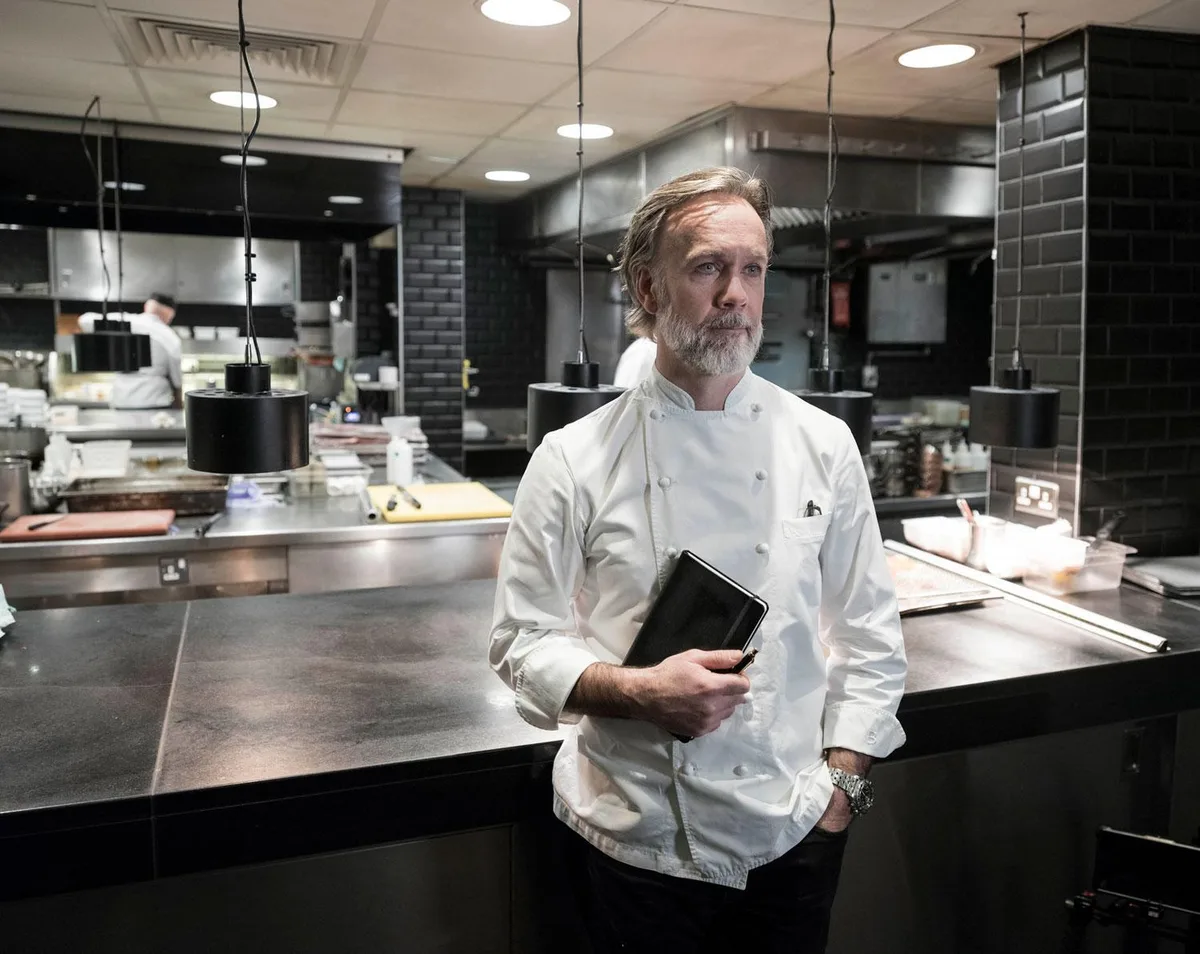
Chefs are natural influencers, in that if they like something they will tend to talk about it, and their endorsements will matter. We had created something that was considered a genuinely useful tool and we, unlike a Moleskin, were from the industry so the chefs we were reaching out to were very happy to talk about what we were doing. This was a wave we had to ride.
For two or three months we gifted hundreds of influential chefs. We asked for nothing in return but just let the marketing run itself, bubbling away in the background as we built up our design assets. With very little information out there and chefs popping up on social all the time with our new product, singing its praises, this mystery grew around what we were doing. The only thing people could find was a form to put their email address. By the time we launched our Kickstarter, we had 3,000 emails. This meant that within 24hrs we hit our $30,000 target.