Hyperstarter: Making $6,000/Month Profit From Crowdfunding Business
Giles Dawe
February 21, 2019
Marketing
United Kingdom
$0-$10k/mo
Giles Dawe used to be a fine artist who sold his paintings to film directors. However, a few years ago he moved into something new. He created Hyperstarter, a tool that gives advice on Kickstarter marketing. He launched it in 2016 and since then, referrals and word of mouth have grown his business into $6,000/month.
Hi Giles! What's your background, and what are you currently working on?
Thank you for the interview. My name is Giles Dawe, I’m 40 and am the owner of Hyperstarter which is based in the UK and China.
Previously I was semi-retired in Hong Kong, working as a fine artist, selling my paintings to film directors and those who didn’t have to work for a living.
My full-time work now is Hyperstarter, a web-based analytics tool that gives advice on how to make a Kickstarter campaign successful. We help at all stages of a crowdfunding campaign, in an industry that raises more money than venture capital.
Since 2016 we’ve raised an additional $6m for campaign owners, working on over 300 campaigns and are ranked in the Top 9 Kickstarter Marketing Agencies in the World by Crowdcrux. We even started to write a guide on Kickstarter marketing, teaching everything we know about it.
On average we’re making about $5000 a month, but last month we made close to $10,000 by closing some new work with campaign owners.
What's your backstory and how did you come up with the idea?
My background is creative, as I studied painting at the University of Wales and at L’ecole de Nantes, France. I realized earlier on in my 20’s that having a degree in fine art wasn’t useful and I was supplementing my income by working on the checkout of a local supermarket and buying and selling Nintendo 64’s on eBay.
Around the year 1999, the web was reaching its peak and I learned web design fairly quickly. I got a job working on ThisIsBristol, a local news portal connected with the Daily Mail group. I worked there for 3 months, learning as much as I could before moving over to a UK based Government agency, working there for 2 years as the head of web design and development.
Speaking to the bosses, we both agreed that I should leave the company. The role was very well paid and I had the responsibility of traveling to London frequently to speak with top Government staff to working on the £4.5m Planning Portal. I had itchy feet and felt I could do a lot more if I worked for myself.
I decided to move to Hong Kong to live with my partner, where I did a lot of freelance work and also made good money from buying and selling websites and domains. Freelancing was tough, so I made my own websites making money from sponsorships, Ask (Jeeves) and Google Adsense. As Hong Kong is predominantly full of millionaires, I built up my social network and started to create custom paintings and get represented by galleries.
At this stage, I didn’t get many failures in the web work I was doing and ended up moving to China in 2006. In the years from 2004-2008, it seemed people had a lot more disposable income. I remember selling the Mobiles.org.nz domain name for close to $3000! Now the value of this domain would be around $50.
My biggest life event at this point is that I became a full-time father and stopped working for about 4 years, relying on income from my websites.
Later as my son was in full-time education, I was able to restart my work and get rid of the sites that didn’t generate much income because Google changed their Adsense terms. In 2015 I created Gifts and Coupons which listed all the latest, cool gifts you can buy. It was the type of site I wanted to visit, as I found it hard to find great presents. I started to get messages from people with crowdfunding campaigns who wanted to be on the site, but as they weren’t things you could physically buy I turned them away.
The requests became so frequent that I looked into crowdfunding and Kickstarter, which is the biggest rewards-based platform. I saw that only 30% of all crowdfunding campaigns were successful and reached their goal! I thought I could help and built Hyperstarter, which focuses on the campaign page first for free and then offers additional paid services from promotion on the site to “hands-on” work.
The All-In-One Newsletter for Startup Founders
90% of startups fail. Learn how to not to with our weekly guides and stories. Join 40,000+ founders.
How did you build Hyperstarter?
The live version you see right now was built within a month. It was designed and coded in-house by myself and a few individuals I’ve known over the years. Hyperstarter has a team of 4 where we all work remotely, with the majority of team members coming from China.
The site itself was inspired by Google’s homepage and online checkers that suggest how web pages can be improved. As we’re targeting Kickstarter campaign owners, we put a single form box in the center of the page for people to run their existing Kickstarter URL.
I just wanted to build it and then work out how to make money later. My thinking was if someone’s using my tool for free, then I’ve already got “my foot in the door” and can start to gain the user’s trust. Often users on our site send over a message of “what else can you do for me” and this is how we make revenue, but it wasn’t something I thought about whilst building the site.
We launched in April 2016 officially, but having previously worked on Kickstarter projects beforehand I asked all my contacts and campaign owners (who liked what we did for them!) to support our launch. We launched on ProductHunt only, having prepared weeks in advance but due to the time differences, we weren’t able to be featured on the popular newsletter in time.
In summary, as an alternative to paid (Facebook) ads, what we do is very time consuming but effective. Our pricing is available on the Hyperstarter submit page where we can offer a listing on our platform or “hands-on” work which can consist of PR outreach, looking at who they should be connecting with and pitching.
Obstacles we continually face are mainly based around Kickstarter and trust, which I will explain in detail later on.
Which were your marketing strategies to grow your business?
My strategy for Hyperstarter was different than all the other businesses I worked on. I didn’t want to spend time boasting about how great we are or the same self-promoting BS you hear from every other marketer. I wanted direct traceable references and get others to write about how great we were.
To find customers, I joined different crowdfunding forums and offered my advice to campaign owners for free. They saw what I wrote, got in touch and I initially lowered my prices to get involved in these projects just to gain some experience.
Compared to my competitors I wanted customers to know that we at Hyperstarter are approachable and trustworthy. Sure, collecting money is great but we wanted to provide real value and we care about our clients, our references reflect that.
Within the space of 2 years, we’ve been instrumental in the success of the British Invention of the Year, Virgin Voom Runner-up to the nearly $900,000 raised Neck Hammock.
I’d say 95% of our business comes from referrals and messages from our site. The rest of our business comes from direct tweets or emails to campaign owners based on similar successful campaigns we worked on (whilst showing them the references at the same time). This tactic works very well and we have a great reputation on forums, Trustpilot, and our website.
One of the advantages I’d say Hyperstarter has over others is that we work closely with our clients, but we’ve also connected with our closest competitors too. I think Hyperstarter is part of a small inner circle of crowdfunding companies that in some ways can work together on a campaign, as we all bring our own unique set of skills to the table.
What were the biggest challenges you faced and obstacles you overcame?
As I’m reading through this interview, it seems everything was great and I was moving from one job to another. In reality, there was no support network around to bounce off ideas or to bring others onboard.
The majority of my working life has been remote working in Asia, usually from home by myself, bootstrapping and having the difficulty of facing a work/life balance whilst spending time working out what I should be doing.
Being based in China and running an internet business was hard. The majority of popular sites from Google, Facebook, Twitter were blocked in the country so I had to find alternatives to use.
My daily routine isn’t healthy either, with hours ranging from 9 am to 1am on most weekdays.
In terms of the niche of crowdfunding, Kickstarter has a bad reputation. Even if the campaign owner reaches their goal and successfully funds, it doesn’t mean backers will receive their product on time (or if at all!). Right now 160 new campaigns per day are added to the Kickstarter platform, but if the problem persists combined with a low 30% success rate I can see entrepreneurs finding non-crowdfunding ways to raise finance in the near future.
Which are your greatest disadvantages?
Before, my major disadvantage was my location. The majority of our customers were based in the US or Europe, so I was 8 to 12 hours ahead of them. This meant I had to have phone calls in the early morning, at times when I wasn’t 100% concentrating on what I was saying!
I’m involved in every aspect of the Hyperstarter site and in each campaign we work on. It’s become easier over time, as we’ve kept notes on what worked for campaigns and what didn’t work but right now I’m not able to give up control.
Compared to our competitors, we don’t use Facebook ads and so we’re not making as much as them. The majority of our competitors charge a fixed fee and a % of all adverts that bring in sales, which for a single campaign could bring in a 6 figure commission.
The reason we use an upfront fee and not commission is all about trust. As we’re UK based and not in the same country as the majority of our clients, an international contract isn’t easily enforceable. The worry of if/when we would be paid isn’t something I want to be involved in, which relates to my freelance work years ago with clients.
We’re passing up on a lot of money, but the risk isn’t worth it.
During the process of building & growing Hyperstarter, which were the worst mistakes you committed?
The biggest mistake is not launching Version 2 of Hyperstarter. We could have launched 1 year ago, but instead, refinements and changes have delayed the launch.
Right now, it’s not so urgent as the site is automated and it’s bringing in regular sales per week. Version 2 has the possibility of bringing in dozens of automated sales per day, so between working on campaigns per day or working on V2, we need to work on our own site ASAP.
We could have captured emails better at the beginning. Previously, users could run their Kickstarter URL and then after they didn’t know what to do next. We implemented a free downloadable PDF report, in exchange for an email address which works very well in collecting emails for our newsletters.
If you had the chance to do things differently, what would you do?
I think I’ve learned a lot over time, from don’t be stubborn and ask for help if you need it to connect with as many people as you can, if you’re looking for new leads.
I wish I contacted influencers earlier on and made better leverage of the high net worth individuals I knew from my time in Hong Kong.
I also think you should enjoy what you’re doing, where in previous years I hated some of the web work I was involved in. I really enjoy the work I’m doing now, as each project is different and we generally work 1 to 3 days on improving a campaign only.
I do worry where the next clients are coming from, but that can easily be fixed if we start to use ads or outreach more often. Right now as our clients are all coming to us organically and reaching out to us first.
Apart from mistakes, what are other sources for learning you would recommend for entrepreneurs who are just starting?
I would say, look at people you admire and do your research on them. See where they hang out and try to be part of the community they’re involved in. Identify the top influencers in your niche, or even contact your competitors like what I did and just introduce yourself and what you’re doing.
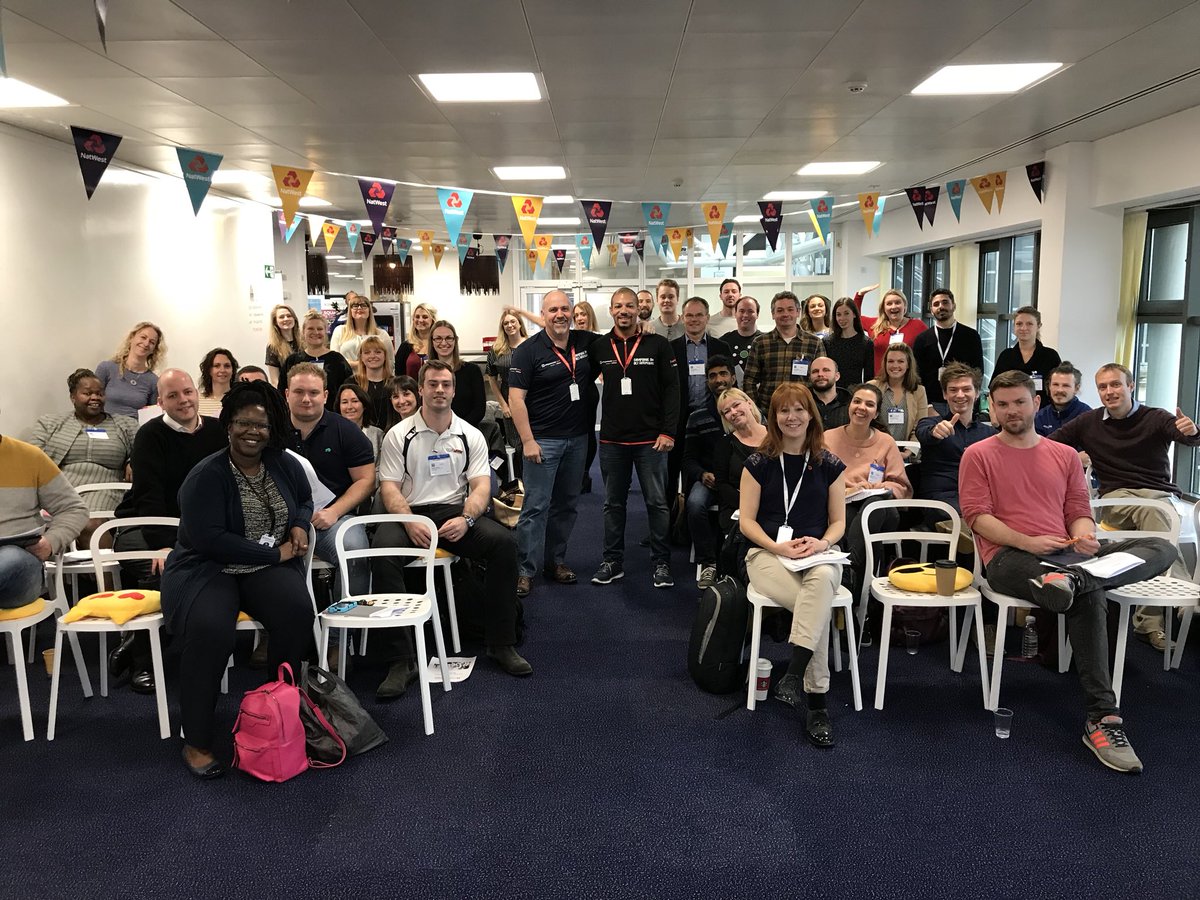
I recently took part in the UK based Natwest Business Accelerator and I believe they will be opening more branches worldwide. They manage a group of like-minded entrepreneurs and it’s a great way to participate and bounce ideas off each other.
In terms of books, I would just repeat what other interviewees have said regarding anything by Peter Thiel or Eric Ries.
Feel free to contact me on the Hyperstarter site. If you’d like to know more about crowdfunding or interested in promoting your campaign - the following links are useful.