

Hi Victoria. Who are you and what are you currently working on?
My name is Victoria, and I’m the Founder and CEO of Viewst, a no-code design, and automation tool for everything related to ad production. I’m 37 and I'm a solo founder. Building a global company means constant travel, but I mostly tend to split my time between New York and Moscow.
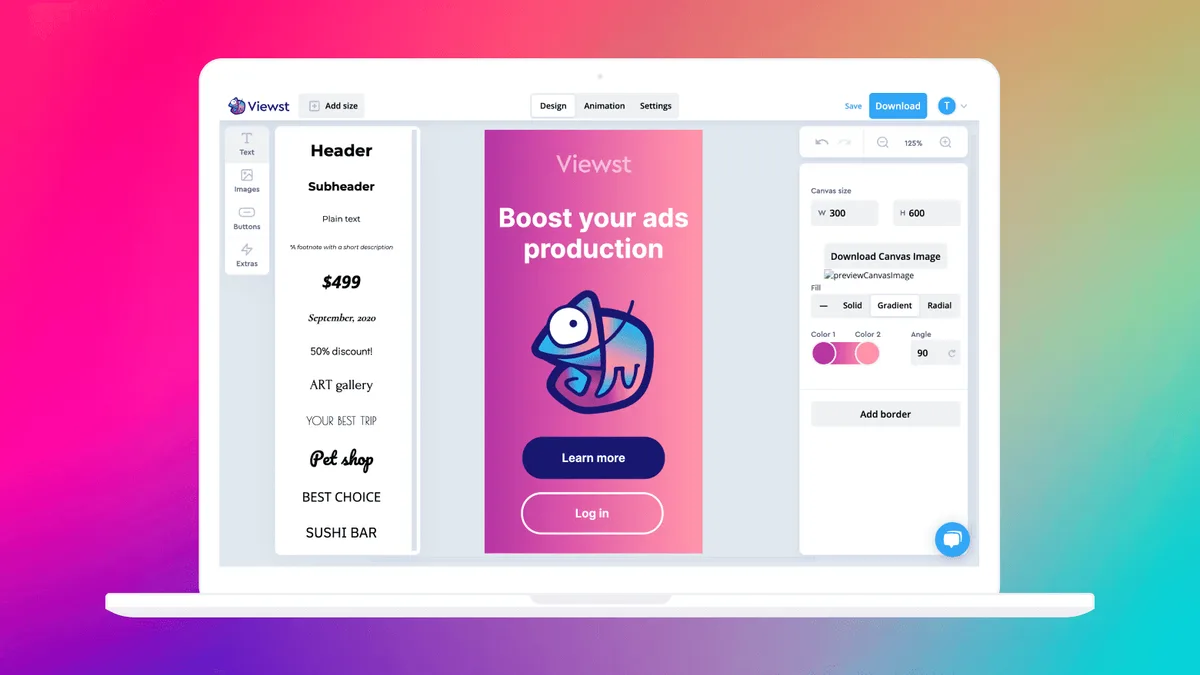
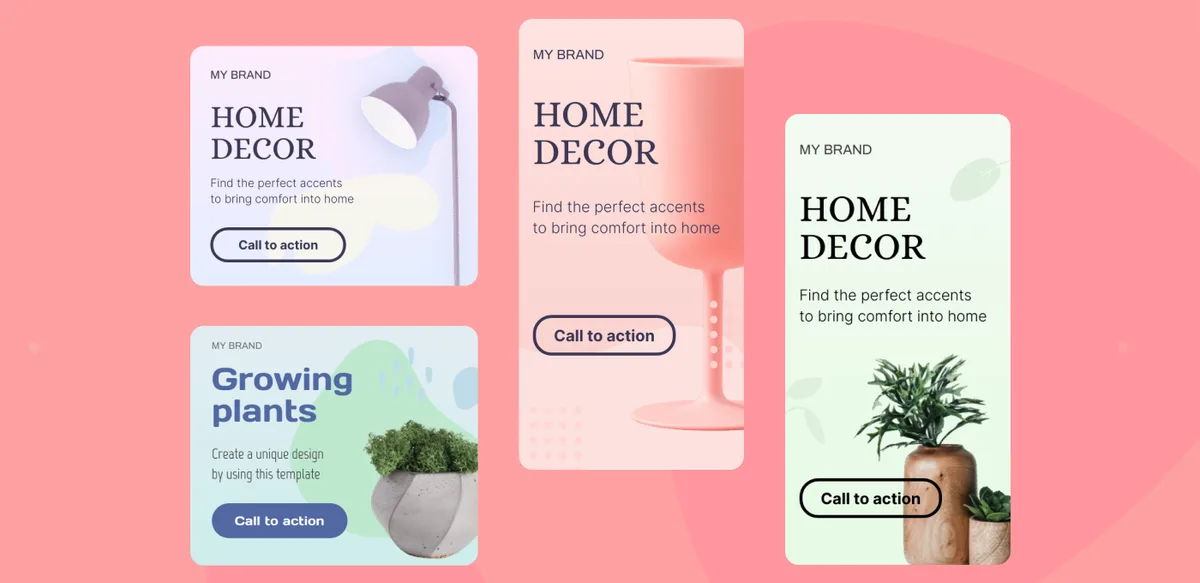
Together with my team, work on Viewst started in November 2019 with the goal being to automate routine tasks in the ad-production process and thereby allow creativity to be unlocked. Despite the core concept being to democratize the design process and let users with any level of design experience create cool images and HTML ads, we were also cognisant of top design professionals spending their precious time on mundane tasks like copy/pasting. With Viewst you can scale your design to as many sizes and formats as needed with a single click; you can animate your images without having to code, and you can stream the ads directly to your Facebook, Google, or Shopify accounts.
What's your backstory and how did you come up with the idea?
I dreamt of becoming an entrepreneur while working in Investment Banking, but I had no idea where to start or what to create. Ultimately it was serendipitous. Given my investment experience, friends asked me to help raise funds for their venture. When I had accomplished this, I was invited to join the project and become the COO/CEO.
I knew nothing about how to build a start-up; I didn’t even know the meaning of the word! But I was inspired by the fact that I would be responsible for all the decisions I made.
I used to be a professional tennis player when I was a kid and I see building a company as being remarkably similar. You learn to become a better version of yourself every day, you constantly discover new things and practice a lot, you grind away to overcome obstacles, and face a lot of challenges. On the other hand, there is travel to different places, building new connections, and a great sense of enjoyment and accomplishment.
For those reasons I quickly fell in love with my new professional role. I bought a one-way ticket and moved to New York City as it was clear to me that The Big Apple is the capital of advertising and media.
The first project I was involved in as a co-founder expanded into three continents in the first year, but it swiftly became obvious that it wasn’t scalable. I was disappointed, frustrated, and despondent as I did not want to return to working for a corporate, having experienced and loved the creative freedom of being a founder. Working on the first project, Profit Button – a new type of rich-media ad solution – we lost contracts because we didn’t have sufficient production capacity. I started to explore this niche and realized that it is a bottleneck for many brands and ad agencies.
That’s how we ended up developing Viewst, a cloud-based solution to scale digital ad production. One of the reasons Profit Button failed was that we didn’t do the research and we developed a technology that didn’t solve a crucial market problem. Viewst is different. Together with the team, we have learned how to talk to our users and prioritize the roadmap, how to save funds on infrastructure, and how to be agile and quickly and easily adapt to market changes. This enabled us to overcome COVID-19 challenges, save the team, and scale Viewst’s user growth.
How did you go from idea to product?
I read Robby Martin’s The Hockey Stick Principles just before we started brainstorming Viewst. It helped me to figure out how to work on the idea and prioritize market research. Initially, I just invited two members of the team to brainstorm and to describe the prototype in words – the product designer who had experience in banner making, and the CTO, who helped us to understand the tech limitations.
The second step was to create the product interface in Figma and to describe the logic and the workflow. I also interviewed a lot of our existing clients in different countries about their production pains and wishes, and the major risks stemming from these constraints.
As soon as we finished our Viewst Figma mock-up, we again approached our clients, this time with a stress test. Fundamentally, we needed to ensure that our concept was consistent with the solution they imagined and desired. We got more feedback and improved our mock-up, and at that point involved additional people to create a prototype.
It took us three months to develop this very first version. It was so simple and imperfect that I felt physically uncomfortable showing it to investors and our first potential users! But I did it as I knew that if it sought to address a real market pain point, early adopters wouldn’t punish us for the user interface but would tell us whether they liked the overall vision. Another book that encouraged me to go out with the prototype as soon as possible was The Lean Startup by Eric Ries.
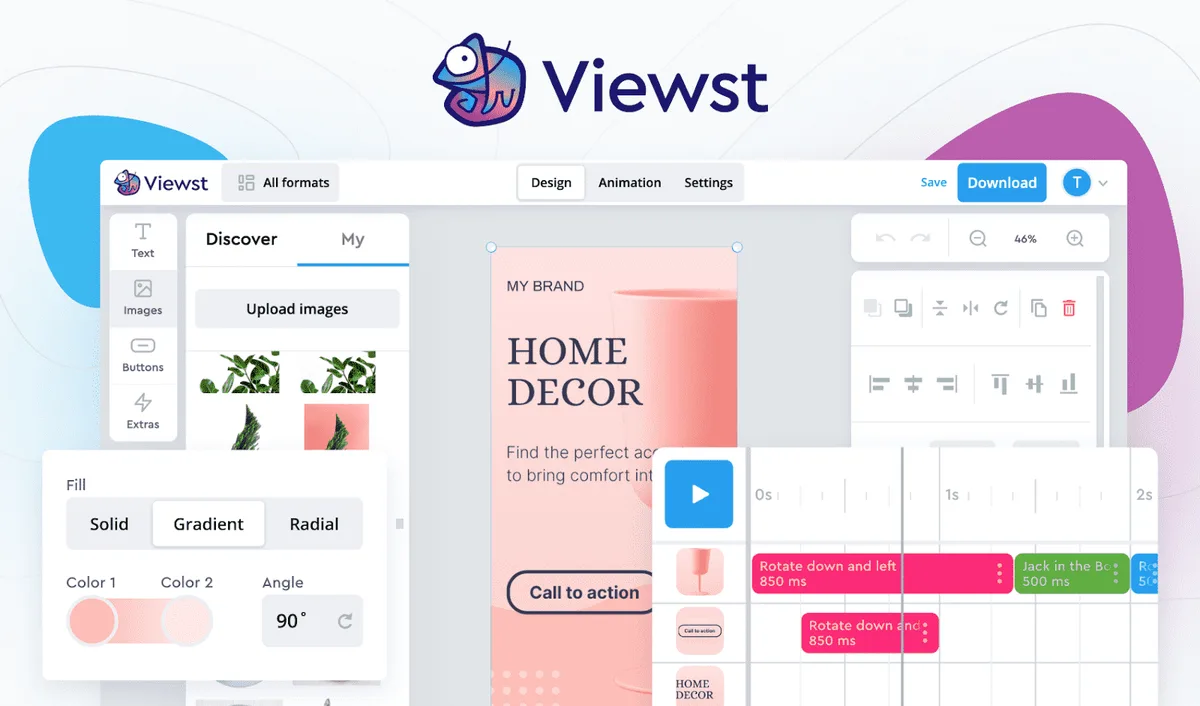
As you can see, with Viewst we have engaged with our users and prospective users from the very first day. This has helped us to navigate our development, be agile, and as a result, build a solution people use and like.