Learn how to validate your startup idea by pre-selling it, for only $80 (includes a free 1-hour consultancy call).
Download Our Free Guide: The Perfect Pitch Deck
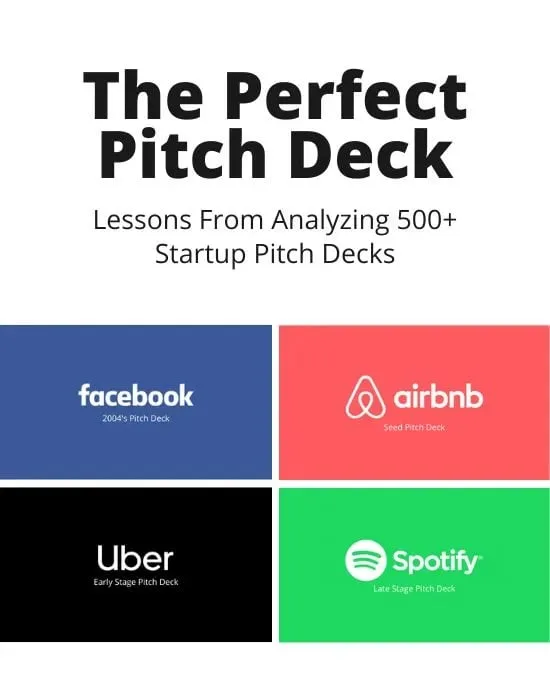
This free eBook goes over the 10 slides every startup pitch deck has to include, based on what we learned from analyzing 500+ pitch decks, including those from Airbnb, Uber and Spotify.

Thank you! Your submission has been received!
Oops! Something went wrong while submitting the form.
The Perfect Pitch Deck

The Pitch Deck Bridge US Used to Raise $800K

Updated: 
November 11, 2025
 | 
Pitch Decks

Description

CTA
Fundraising OS
Tool
Fundraising OS

Everything you need to raise funding for your startup, including 3,500+ investors, 7 tools, 18 templates and 3 learning resources.

Buy It For $97 $297

Description

CTA
Bridge US
Bridge US
Bridge US helps companies manage immigration logistics for their global talent using software and legal expertise.
Industry:
Legal Tech, Software, GovTech
Business Model:
SaaS
Customer:
B2G
Round:
Seed
Amount Raised:
$800K
Investor:
Undisclosed
Year:
2014

Bridge US Pitch Deck Breakdown

Problem & Pain Points

Bridge US effectively frames the problem by using hard data, stating that "75% of students and educators" see a skills gap. This immediately establishes a large, quantifiable market need that investors can understand. They then connect this macro problem to a specific business pain point, noting that "86% of employers" find foreign talent critical, which validates the urgency.

Our Tip: Quantify the problem with credible, third-party statistics to build immediate authority and then connect it directly to your target customer's financial or operational pain.

Solution & Value Proposition

The deck presents its solution as a "streamlined platform" that directly addresses the previously stated pain points of complexity and time loss. While the summary lacks mechanical details, the value proposition is clear: Bridge US simplifies the immigration process for hiring foreign talent. This direct solution-problem fit is crucial for showing investors you are not just building a product but solving a real-world issue.

Our Tip: Frame your solution not by its features, but by how it directly alleviates the specific pains you established on your problem slide.

Traction & Social Proof

Bridge US presents compelling traction with three key metrics: $1 million in revenue run rate, 100+ corporate customers, and 70% gross margins. This trio of data points works because it demonstrates market validation, revenue generation, and a healthy business model in one concise slide. Including customer logos further serves as powerful social proof, showing that established companies trust their solution.

Our Tip: Showcase a trifecta of traction metrics covering revenue, customer adoption, and profitability to give investors a complete picture of your business's health.

Team & Advisors

The team slide builds credibility by highlighting relevant, high-prestige experience from institutions like Harvard Business School, Google, and ZocDoc. Notice that they include a Lead Attorney and Partner from an immigration law firm, which directly addresses the legal complexity inherent in their business model. This shows investors they have assembled a team with both business acumen and deep domain expertise.

Our Tip: Showcase team members whose specific past experiences directly de-risk the biggest challenges your startup will face.


Lessons Learned from Bridge US Pitch Deck

Quantify Everything to Build Credibility

Bridge US uses hard data on every key slide, from the problem (75% skills gap) to traction ($1M ARR), turning abstract claims into concrete proof points. This data-first approach builds immediate authority and shows investors you have a deep understanding of your market and business performance. Audit your own deck and replace vague statements like "a large market" with specific, verifiable statistics that make your case undeniable.

De-Risk Your Narrative at Every Step

The deck is structured to systematically answer investor questions before they are asked, from validating the problem's urgency to showcasing a team with specific domain expertise. This proactive approach builds confidence by showing you have anticipated and addressed the primary risks associated with your venture. For your own deck, identify the top three risks an investor might see and dedicate a slide or key data point to directly neutralizing each one.

The All-In-One Newsletter for Startup Founders

90% of startups fail. Learn how not to with our weekly guides and stories. Join +40,000 other startup founders!

Thank you! Your submission has been received!
Oops! Something went wrong while submitting the form.