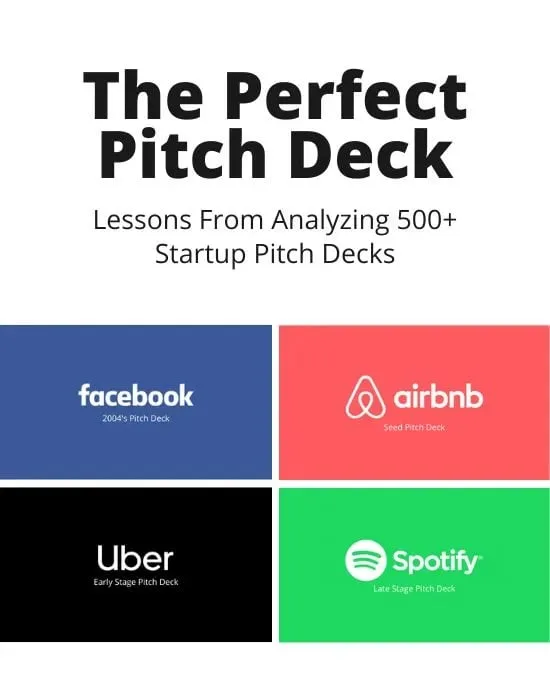
This free eBook goes over the 10 slides every startup pitch deck has to include, based on what we learned from analyzing 500+ pitch decks, including those from Airbnb, Uber and Spotify.
Everything you need to raise funding for your startup, including 3,500+ investors, 7 tools, 18 templates and 3 learning resources.
Buy It For $97 $297 →
OpenDoor frames the problem around the universal stress and uncertainty of selling a home, using relatable pain points like long timelines and high commissions. This approach immediately establishes a large, understandable market need without requiring complex data. By focusing on the emotional and financial friction of the traditional process, they make their subsequent solution feel like a necessary innovation.
Our Tip: Frame the problem using emotional, relatable language that any investor can understand, even if they are not an expert in your industry.
The pitch presents a clear, three-part value proposition, "Simple, Certain & Fast," which directly counters the previously established problems. They do not just list features; they explain the solution as a direct antidote to the pain, offering an instant cash offer and a three-day close. This clear problem-solution fit demonstrates a deep understanding of customer needs and presents the company as the obvious answer.
Our Tip: Your value proposition should be a direct and memorable response to the core pain points you have already established.
OpenDoor's business model is straightforward: generate revenue by acquiring homes and reselling them. The deck focuses on validating the cost structure and pricing model, which shows investors they are thinking critically about profitability from day one. This focus on unit economics, rather than just top-line growth, builds confidence that the model is sustainable and scalable.
Our Tip: Clearly articulate how you make money and demonstrate that you have a concrete plan to validate the core assumptions of your financial model.
The deck presents a specific $9 million Series A ask and clearly outlines how the funds will be used to achieve key milestones, such as building a more accurate AVM and validating the cost structure. This specificity is crucial because it shows investors you have a well-defined plan and are not just asking for a random number. Linking the "use of funds" directly to de-risking the business model is a powerful way to justify the investment.
Our Tip: Justify your funding ask by connecting it to specific, measurable milestones that will de-risk the business and increase its value.
OpenDoor’s deck excels because every section logically flows into the next, creating a single, compelling story for investors. The solution is a direct answer to the stated problem, the business model validates the solution's profitability, and the ask is tied directly to proving that model. Structure your deck so that each slide builds on the last, guiding the investor from an understood pain point to an inevitable and investable conclusion.
The pitch systematically addresses and mitigates the key risks an investor would identify, from market need to financial viability. They focus on unit economics instead of just growth, and their funding ask is explicitly for validating core assumptions like their AVM and cost structure. Proactively identify the biggest questions in your business and use your pitch to show investors you have a concrete plan to answer them.